
Baremetal vs. Proxmox vs. ESXi Performance Geekbench Scores
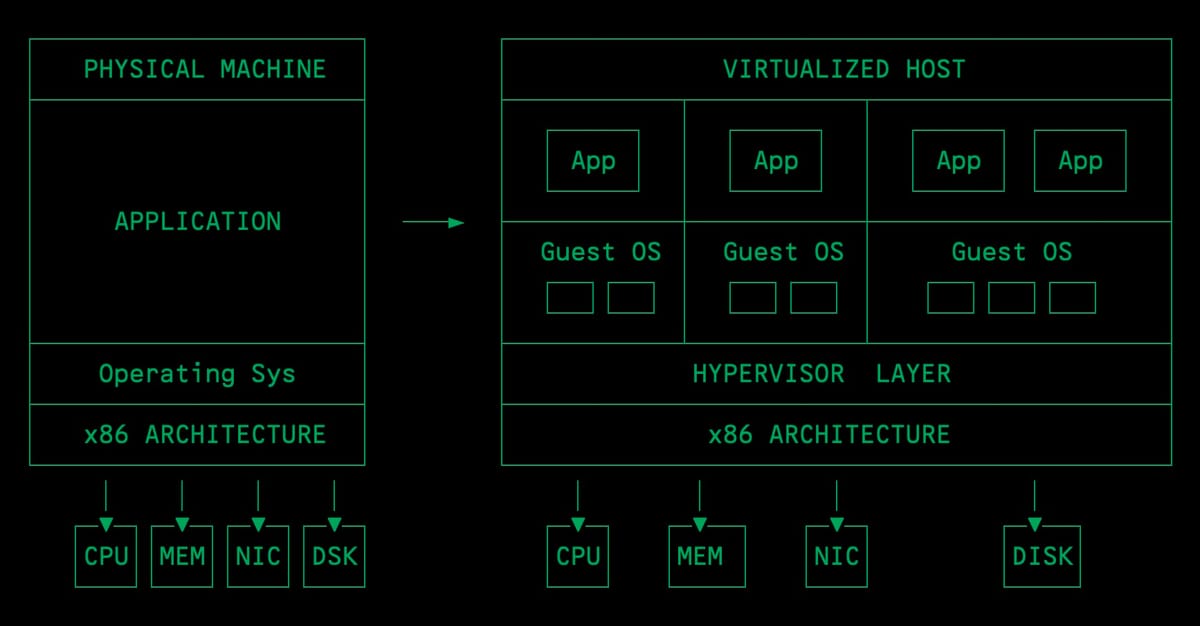
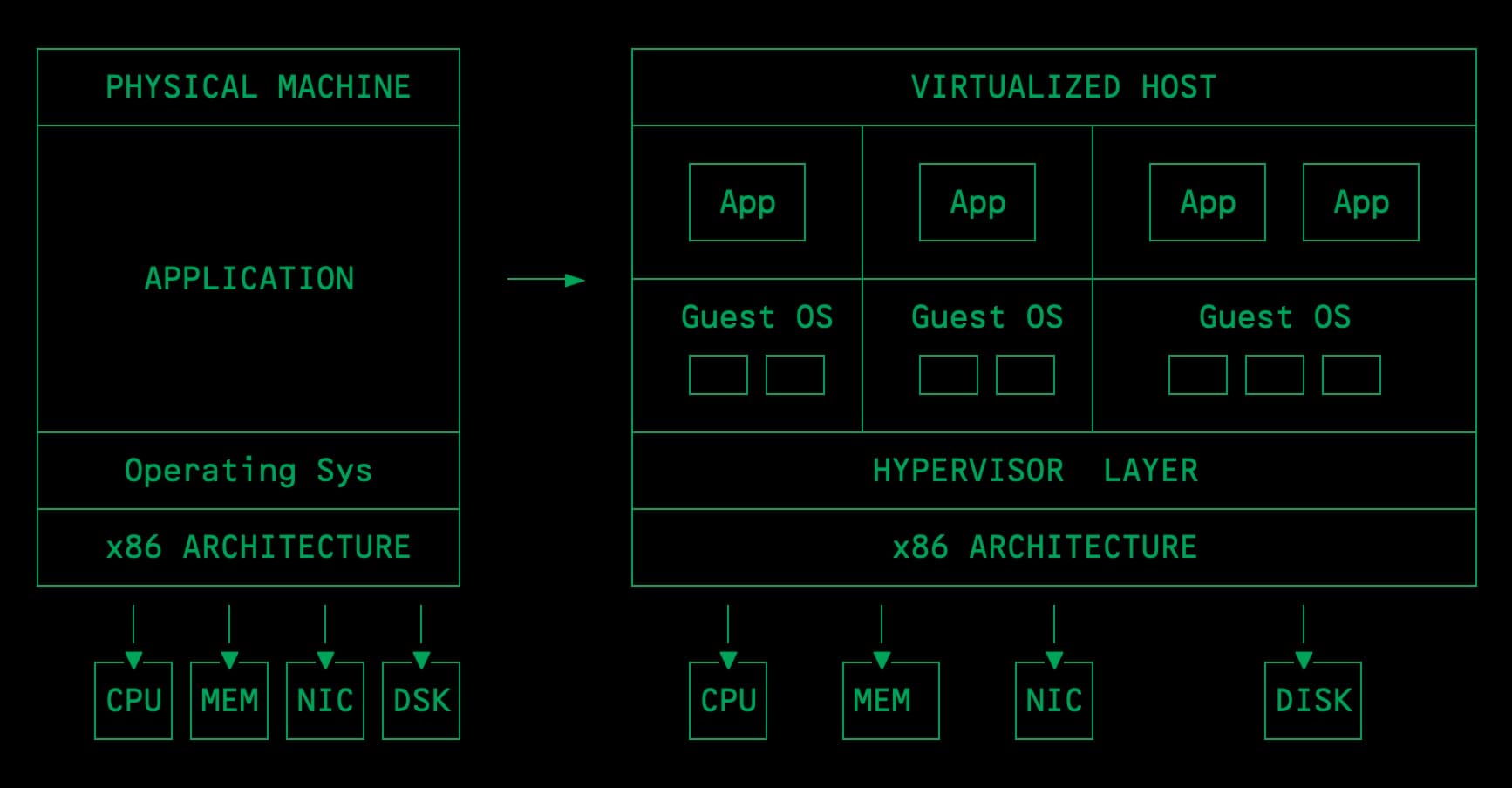
I have always wondered about the performance characteristics of virtualization. Despite the caveats in testing methodology, workloads, etc., it'd be nice to see what the performance penalty is for using Baremetal vs. Proxmox vs. ESXi. Googling for answers results in some ancient paper from like 2008. Asking LLMs yields vague answers like "3-5%".
Before we discuss the details, I'd like to make broad disclaimers so as to not mislead readers:
- I am not an expert at virtualization.
- Most of the results are using default settings.
- There is so much more to performance testing than just Geekbench scores.
- Use this information for your curiosity but not material decisions.
As the title says, we're just going to look at Geekbench scores. Ideal way to do this would be to use a variety of performance tests such as Sysbench, Phoronix Suite, SPEC CPU 2017 (and 2026), Stress-ng, etc. Furthermore, CPU and memory performance is just one small aspect of performance testing depending on how you define it. There is virtualization of I/O, disk, network, etc. which may matter more depending on your use-case.
Best performance test is your actual workload in combination with a mix of synthetic benchmarks.
With this out of the way, the underlying system specs are as follows:
| Parameter | Specification |
|---|---|
| CPU | AMD EPYC Turin 9135 |
| Architecture | Zen 5 (Turin), 4 nm TSMC |
| Cores / Threads | 16C / 32T |
| Base Clock | 3.65 GHz |
| All-Core Boost | 4.25 GHz |
| Max Boost Clock | 4.3 GHz |
| L1 Cache | 80 KB per core |
| L2 Cache | 1 MB per core |
| L3 Cache | 64 MB shared |
| TDP (Default / cTDP) | 200 W / 200–240 W |
| Socket | SP5 (LGA 6096) |
| Socket Support | 1P / 2P |
| Memory Channels | 12 (DDR5) |
| Max Memory Speed | DDR5-6400 MT/s |
| PCIe | PCIe 5.0, 128 lanes |
| Launch | 10 Oct 2024, $1,214 (1kU) |
| Memory Installed | 96 GB DDR5-4800 RDIMM ECC (6× 16 GB modules, 6-channel populated) |
| Motherboard | Supermicro H14SSL-NT |
| BIOS Version | 1.7 |
| BIOS Date | 10/08/2025 |
| IOMMU | Default (Enabled) |
| AMD V | Default (Enabled) |
| Baremetal & Hypervisor Storage | Samsung 960 Pro 1TB NVMe |
Hypervisor properties:
| Hypervisor | Property | Specification |
|---|---|---|
| ESXi | Version | 8.0U3i |
| ESXi | Power Profile | Performance |
| ESXi | Sockets | 1 |
| Proxmox | Version | 9.1.1 |
| Proxmox | Sockets | 1 |
| Proxmox | CPU Mode | Host |
Test conditions:
| Parameter | Specification |
|---|---|
| Operating System | Debian 13.5.0 (Trixie) |
| Linux Kernel | 6.12.88 |
| VM RAM | ~90 GB (92160 MiB) |
| Benchmark | Geekbench 6.7.1 (Linux x86-64) |
| CPU Threads | 16C / 32T (SMT enabled) |
| Architecture | x86-64 |
| Test Date | 2026-05-16 |
Results
| Hypervisor | Single-Core | Single-Core (%) | Multi-Core | Multi-Core (%) |
|---|---|---|---|---|
| Baremetal (16 cores, 32 threads) | 2719 | 100.0% (Baseline) | 21528 | 100.0% (Baseline) |
| Proxmox 9.1 (16 vCPUs) | 2710 | 99.7% | 21341 | 99.1% |
| Proxmox 9.1 (32 vCPUs) | 2713 | 99.8% | 23018 | 106.9% |
| ESXi 8 (16 vCPUs) | 2693 | 99.0% | 21595 | 100.3% |
| ESXi 8 (32 vCPUs) | 2713 | 99.8% | 22727 | 105.6% |
This is why these results are rather bad. Multi-Core performance is better than Baremetal! It could be the default debian schedutil governor/boost behavior, background load (I doubt it), not sure.
In one light, we can optimize these platforms to heart's content and squeeze more juice out of it to get to an optimum performance. Given the casual nature of this benchmark and the fact that most people just run whatever is the default, especially for homelab, this result is somewhat illuminating despite a giant list of caveats.
It itches my desire to get some idea of hypervisor performance, however imperfect it is, it is not going to be off by like significant amount to care. LLMs providing an estimate of "3-5%" is probably a good rule of thumb.
The fact that we can virtualize hardware with so little penalty is astounding. Penalty might be 5% or -5% (lol as we saw in the results), it is well outside the risk/benefit ambiguity: the benefits of virtualization are indisputed.
Take it with a grain of salt.